For a child who likes to ask how things work, a hands-on activity can turn curiosity into a fun project to share or explore independently.
These five gift ideas include experiments, early building play and a portable way to practice math facts.
5 Gift Ideas for Curious Kids Who Love Science
Light-Up Crystal Growing Kit
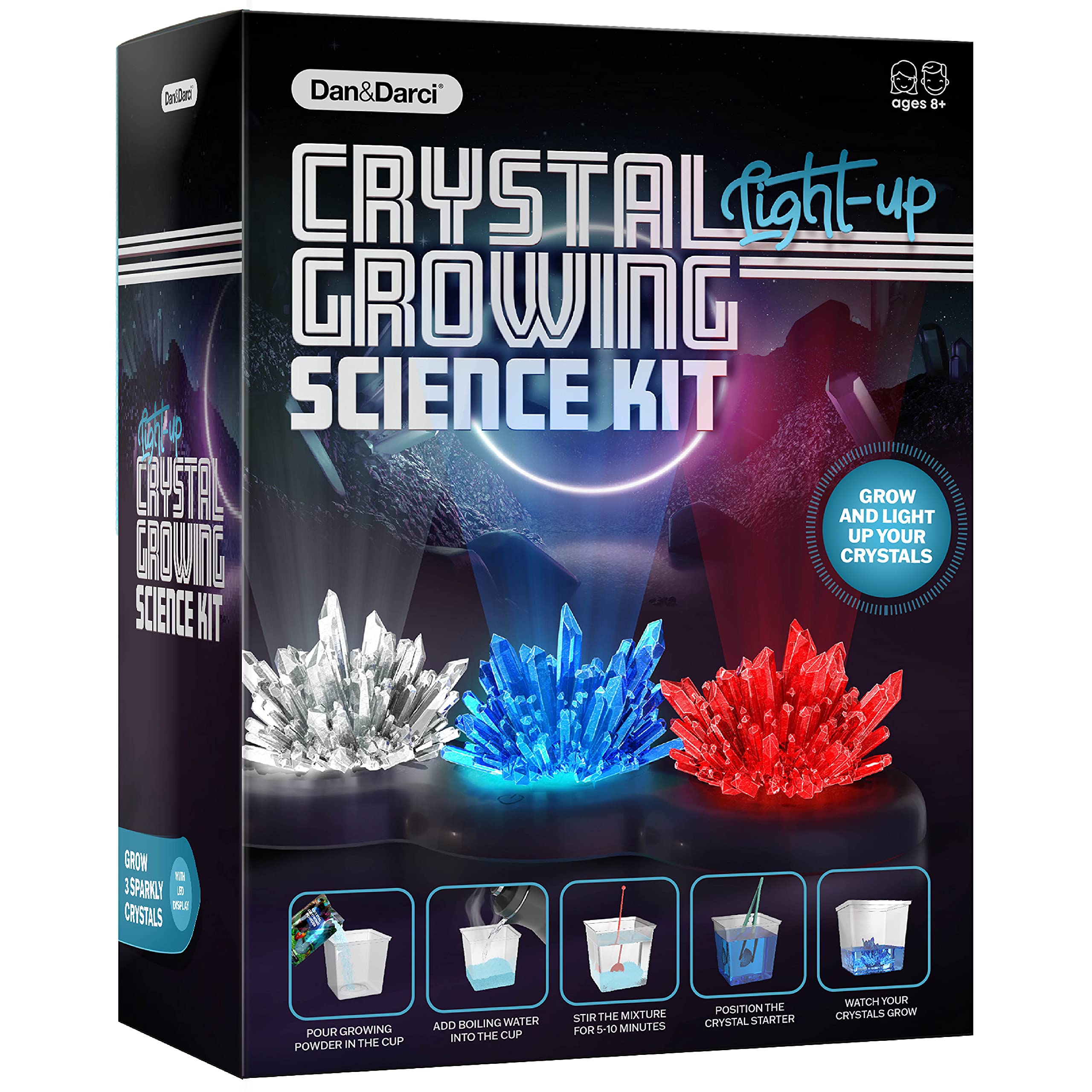
- Grow red, blue and clear crystals, then display them on the included light-up base.
- The kit includes three growing cups and crystal powder in three colors.
- An illustrated guide introduces how crystals form.
Best Gift For: A young experimenter who would enjoy growing and displaying crystals.

GeoSafari My First Microscope
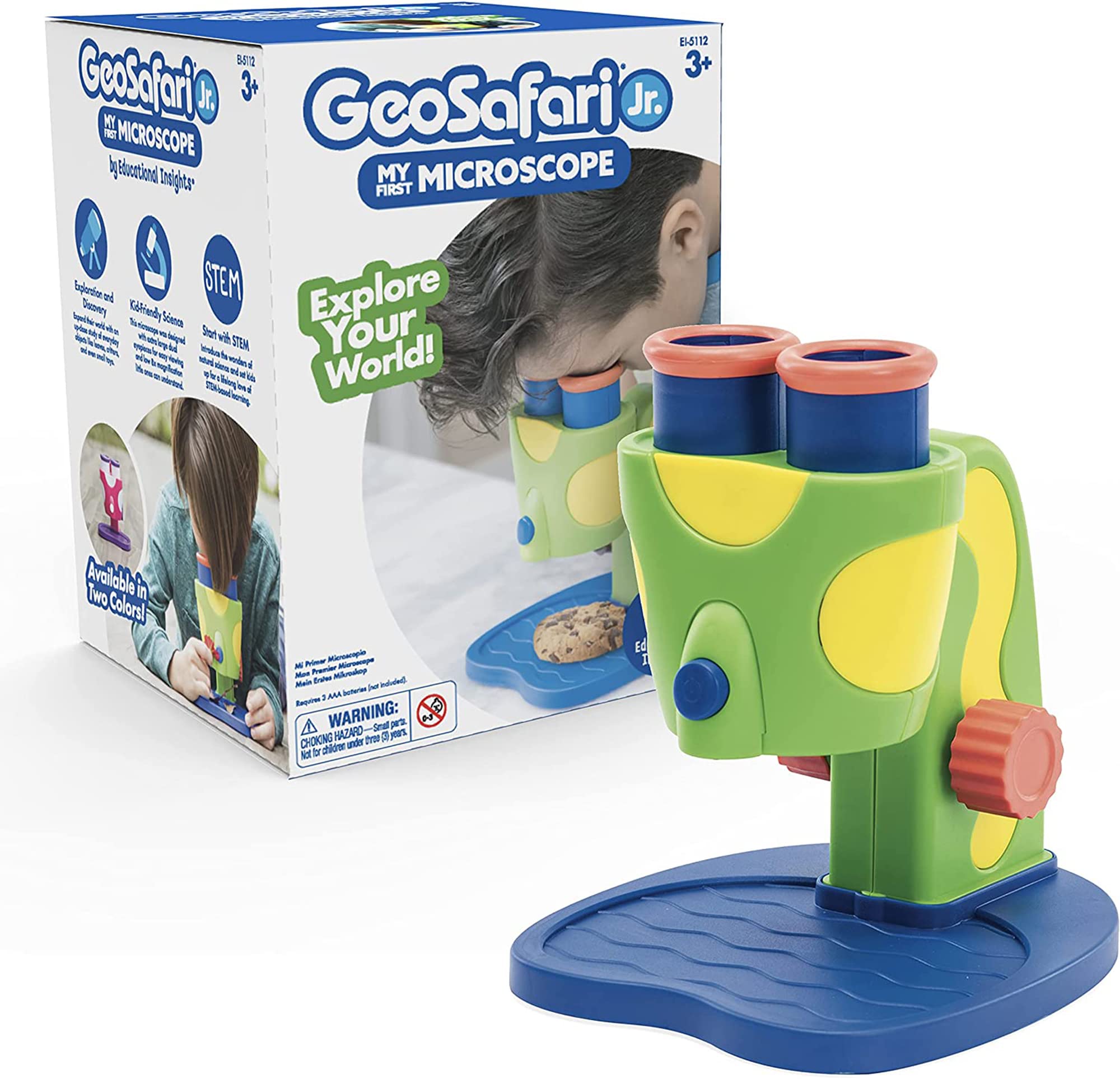
- Two large eyepieces let children look without closing one eye.
- An overhead LED light illuminates the sample tray.
- The set includes prepared slides and storage.
Best Gift For: A young learner ready to explore prepared slides and take a first look at microscopy.
SmartMax My First Dinosaurs Building Set
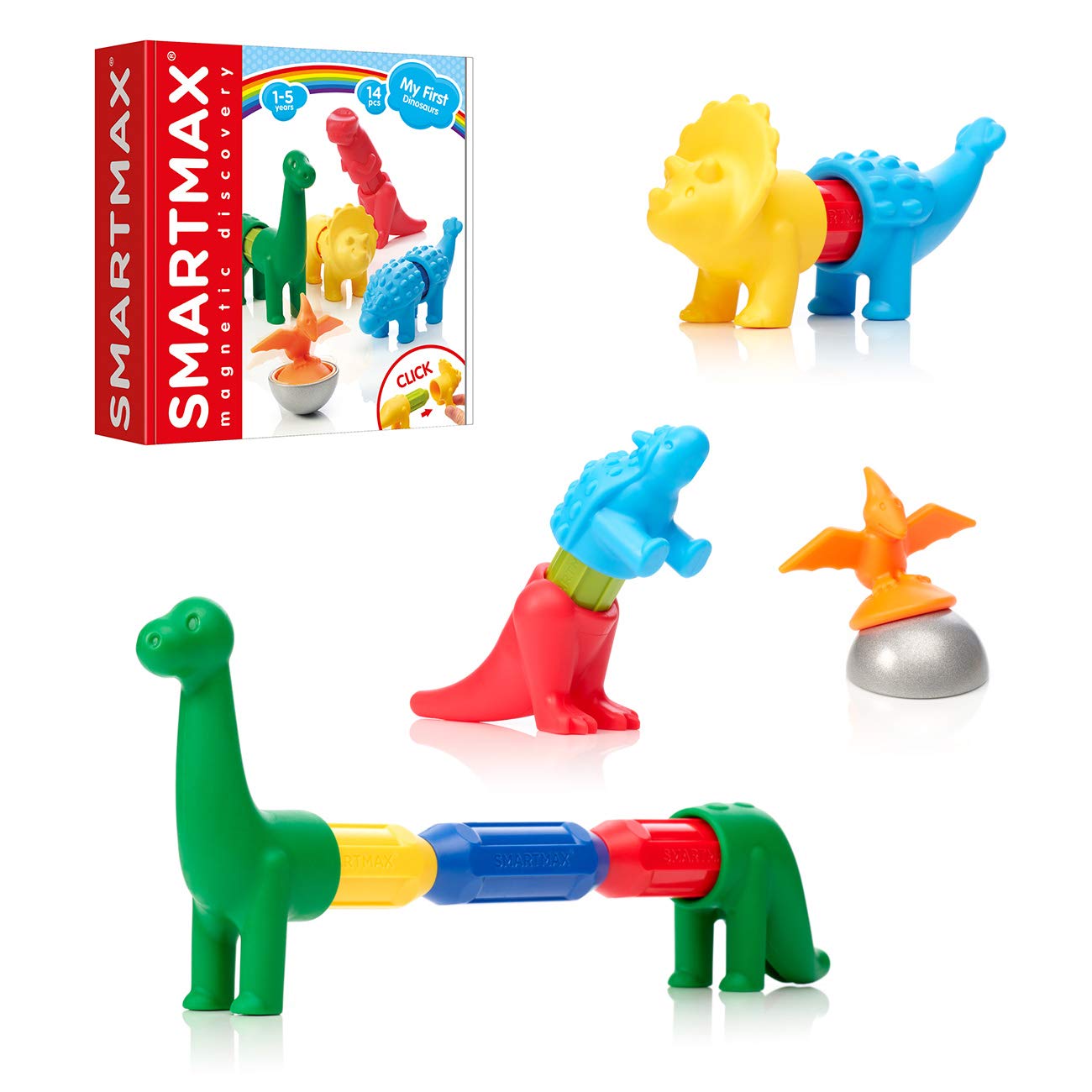
- Build dinosaur figures or mix and match pieces for new creations.
- The set contains colorful magnetic bars and soft dinosaur pieces.
- SmartMax sets can be combined for expanded building play.
Best Gift For: A young dinosaur fan who enjoys connecting pieces and making different creations.
1-2-3 Build It Robot Factory
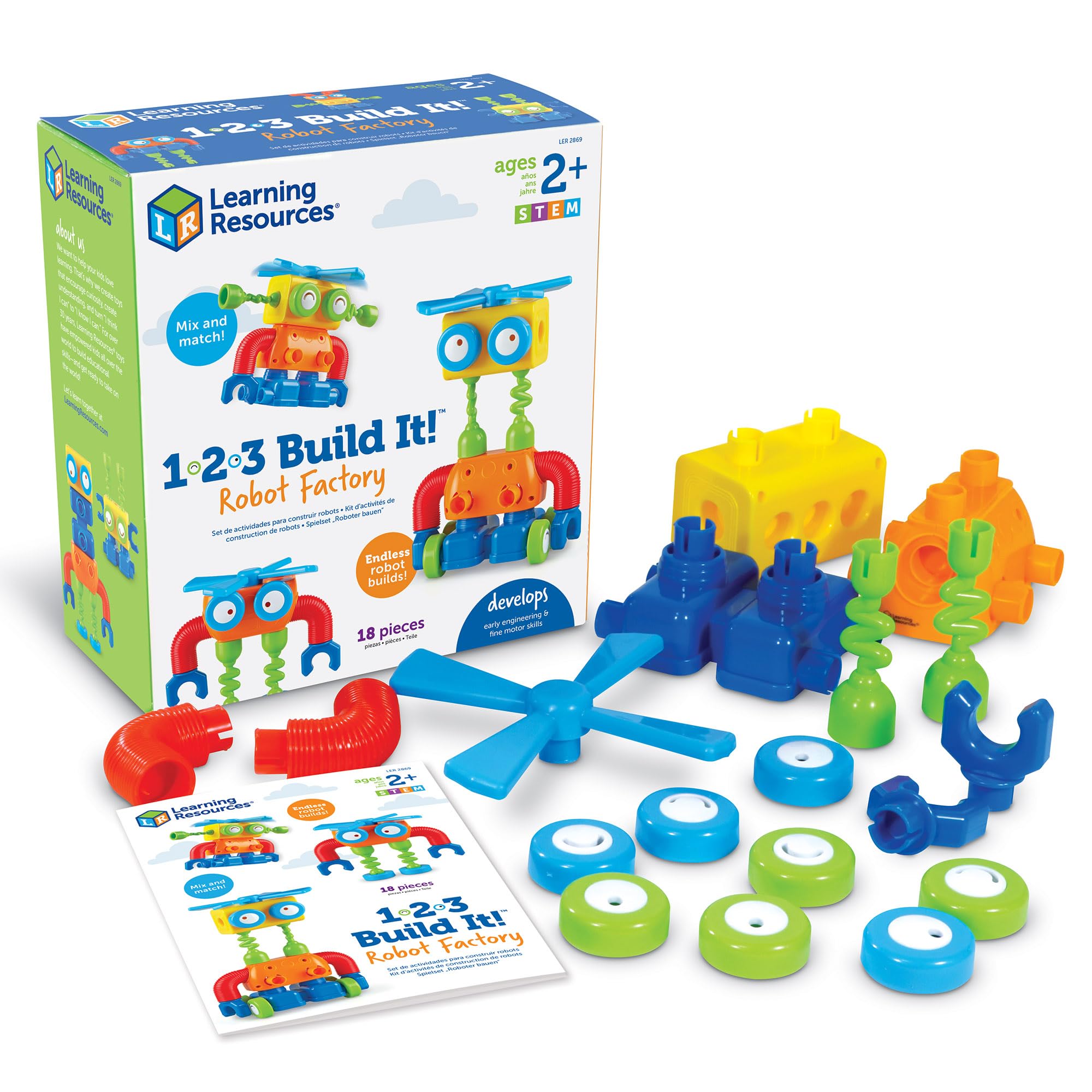
- Children can build their own imaginative robot creations.
- Building play supports early engineering and critical thinking skills.
- The pieces work with other 1-2-3 Build It! sets.
Best Gift For: A young builder who would enjoy creating and reworking imaginative robots.
Minute Math Electronic Flash Card
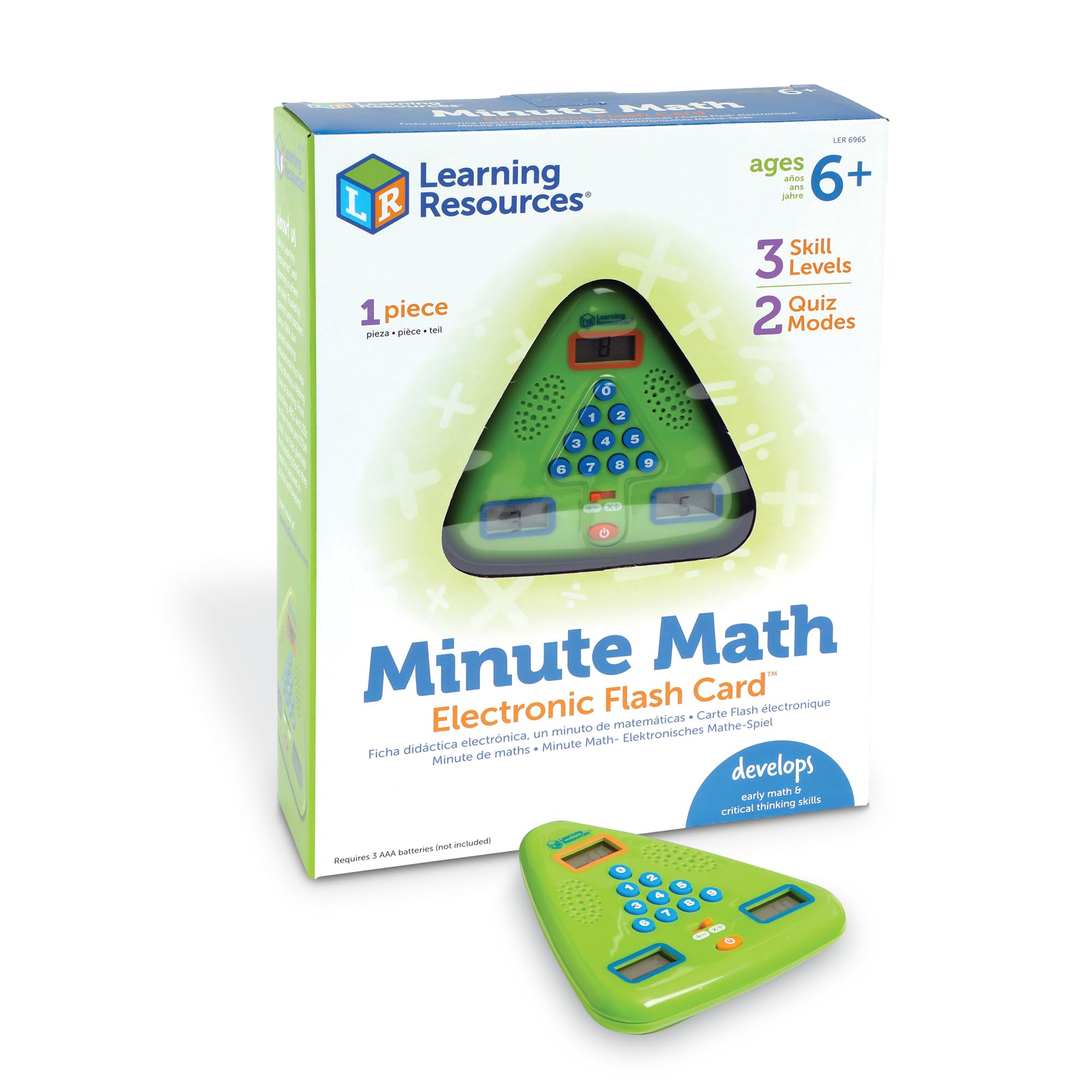
- Practice addition, subtraction, multiplication and division.
- One-minute timed challenges turn practice into a game.
- A silent mode suits quiet practice in classrooms or waiting rooms.
Best Gift For: A student who wants a portable way to practice basic math facts at home or while out.
Choosing gifts for kids who love science
Start with the kind of activity the child tends to enjoy: watching a change happen, looking closely at small details, or making something with their hands. A growing experiment can feel like a special project, while a microscope invites repeated exploration of different prepared samples.
Age and adult involvement matter, too. Some children are ready to follow steps and keep track of an experiment; others will get more from large, easy-to-handle building pieces.
Check the suggested age, activity requirements and whether an adult will need to help before choosing.
If you are unsure, ask a parent or caregiver what the child already has and what holds their attention. A gift that matches the child's patience and play style is more likely to become an activity they return to.
Set a comfortable budget for science gifts
Science gifts range from small learning tools to kits with several components. Decide what feels comfortable, then compare the complete activity: included pieces, any supplies it requires and whether the child can use it more than once.
Check actual prices before buying, since they can change.
A focused experiment can make a satisfying present without needing a large collection of extras. Building sets can offer open-ended play, especially when the child enjoys making and remaking designs.
Choose based on the kind of use you expect, rather than assuming a larger set is automatically a better fit.
For gifts for kids who love science, practical details can matter as much as the theme. Check current product information for what's included, any batteries or other supplies needed, and compatibility with items the family already owns.
Make the gift feel personal
Personalization can be simple: choose a project that connects with a question the child already asks, such as what makes crystals grow or how a machine is put together. A short note can invite them to make a prediction, draw what they observe or show someone how their build works.
Think about when and where the gift will be used. A shared project may suit a family weekend, while a compact learning activity can be easier to bring out during a quiet afternoon.
Ask the caregiver whether there is room for setup and storage before choosing a project with several parts.
Presentation can extend the excitement without adding much cost. Wrap the gift with a blank notebook or handmade card for recording questions and sketches, if that suits the activity.
Keep any extra supplies optional, and check with the family first so you do not duplicate what they already have.
Choose the right kind of challenge
A good science-themed gift invites curiosity without making the child feel they must get everything right. For a younger learner, simple building and discovery play may be more inviting than a project with several steps.
For a child who likes structured activities, a guided experiment can offer a clear beginning and result.
Consider whether the child likes working alone, with a sibling or alongside an adult. That can help you decide between an activity they can revisit independently and one that is more enjoyable as a shared project.
For kids who love science, the chance to ask questions and try ideas can be the real draw.
If the child has a strong interest, use it as a starting point while keeping the choice flexible. A dinosaur-themed building set, for example, brings together creative play and early STEM concepts; a microscope can invite observation across different subjects.
Confirm the product fits the child's age and the household's preferences.
Last-minute gift shopping
When time is short, focus on gifts with a clear purpose and check the details before placing an order. Confirm the exact product and included components, then review the latest delivery estimate for your location.
Do not assume an item will arrive by a particular date until you have checked the checkout information.
Check practical requirements such as batteries, power connections, dimensions and compatibility with other sets when those details affect how the child can use the gift. A quick message to a caregiver can help avoid duplicates or missing essentials, especially if the activity depends on supplies at home.
If delivery timing is uncertain, a printed note describing the planned gift can still mark the occasion. You could pair it with a small, ready-to-use activity from a local shop, provided it suits the child.
Keep the message specific and warm: tell them what you hope they will enjoy exploring or building.